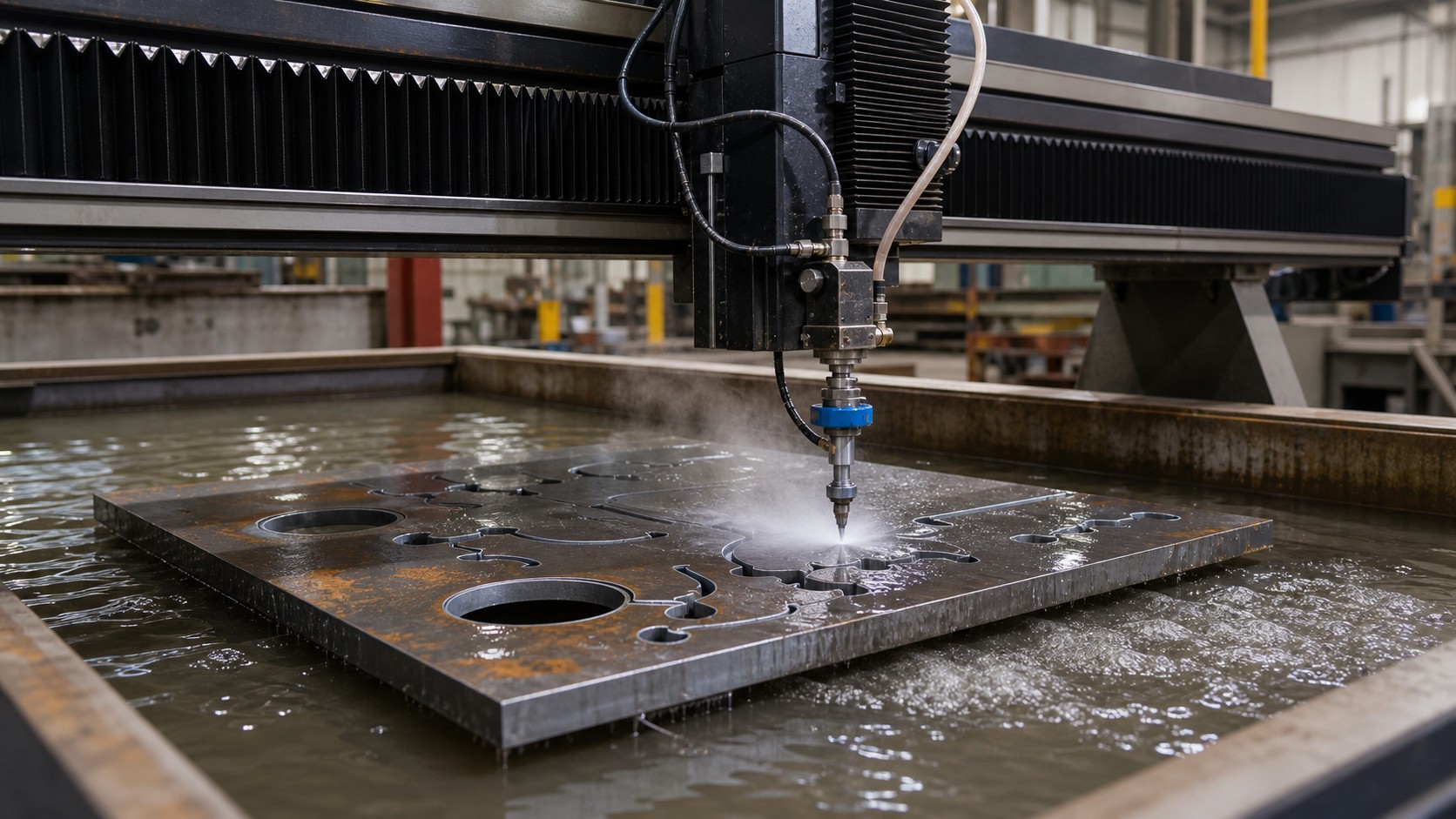
What Is Waterjet Cutting and What Can It Cut?
Home › Metal Fabrication FAQ › What Is Waterjet Cutting Capability Explainer What Is Waterjet Cutting and What Can It

Home › Metal Fabrication FAQ › What Is Waterjet Cutting Capability Explainer What Is Waterjet Cutting and What Can It
DFM guide for laser-cut sheet metal: bend radius rules, hole placement, bend reliefs, minimum feature size, and how to send a manufacturable drawing.
Sheet metal gauge reference chart for mild steel, stainless, and aluminum. Includes decimal thicknesses for 16ga and 18ga and guidance on choosing the right gauge.
Learn when to choose plasma vs laser cutting. Covers tolerance, thickness, speed, cost, materials, and a side-by-side comparison table.
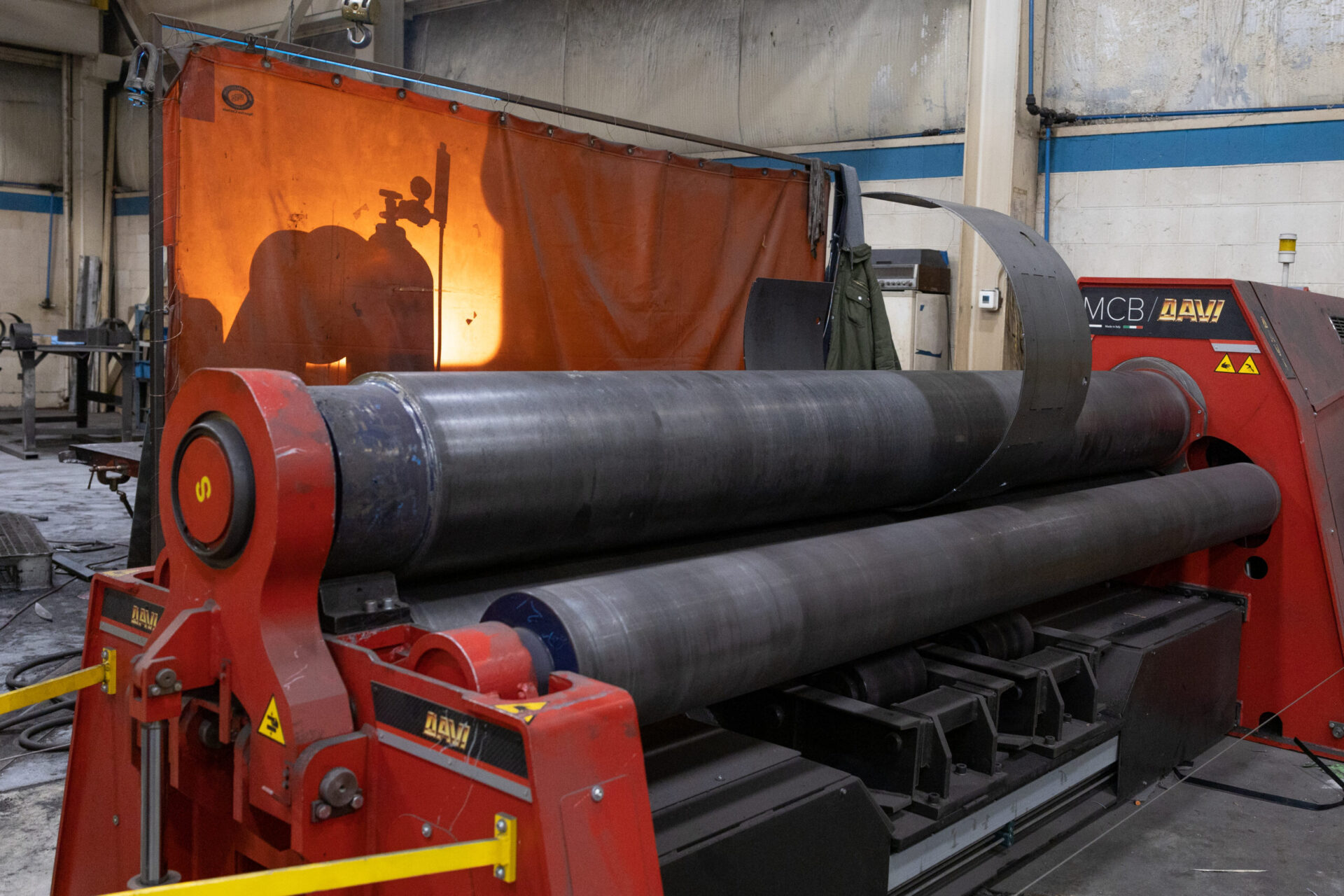
Prototypes typically ship in 3-10 days; production runs take 4-6 weeks. Learn what drives custom metal fabrication lead times and how to get your parts faster.
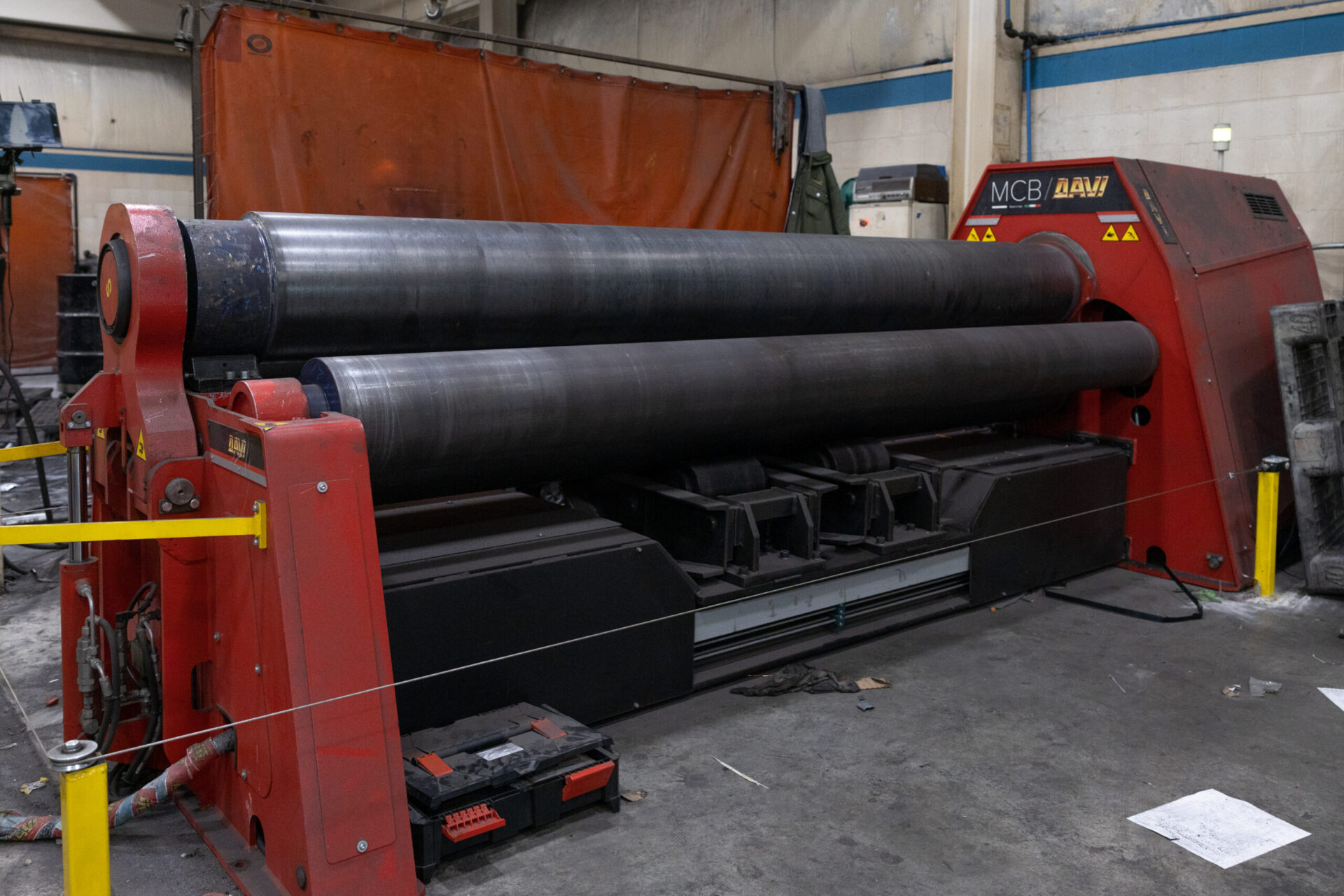
Plate rolling bends flat metal plate into cylinders, cones, and arcs using rollers under controlled force. Learn how the process works, what it makes, and which industries rely on it.
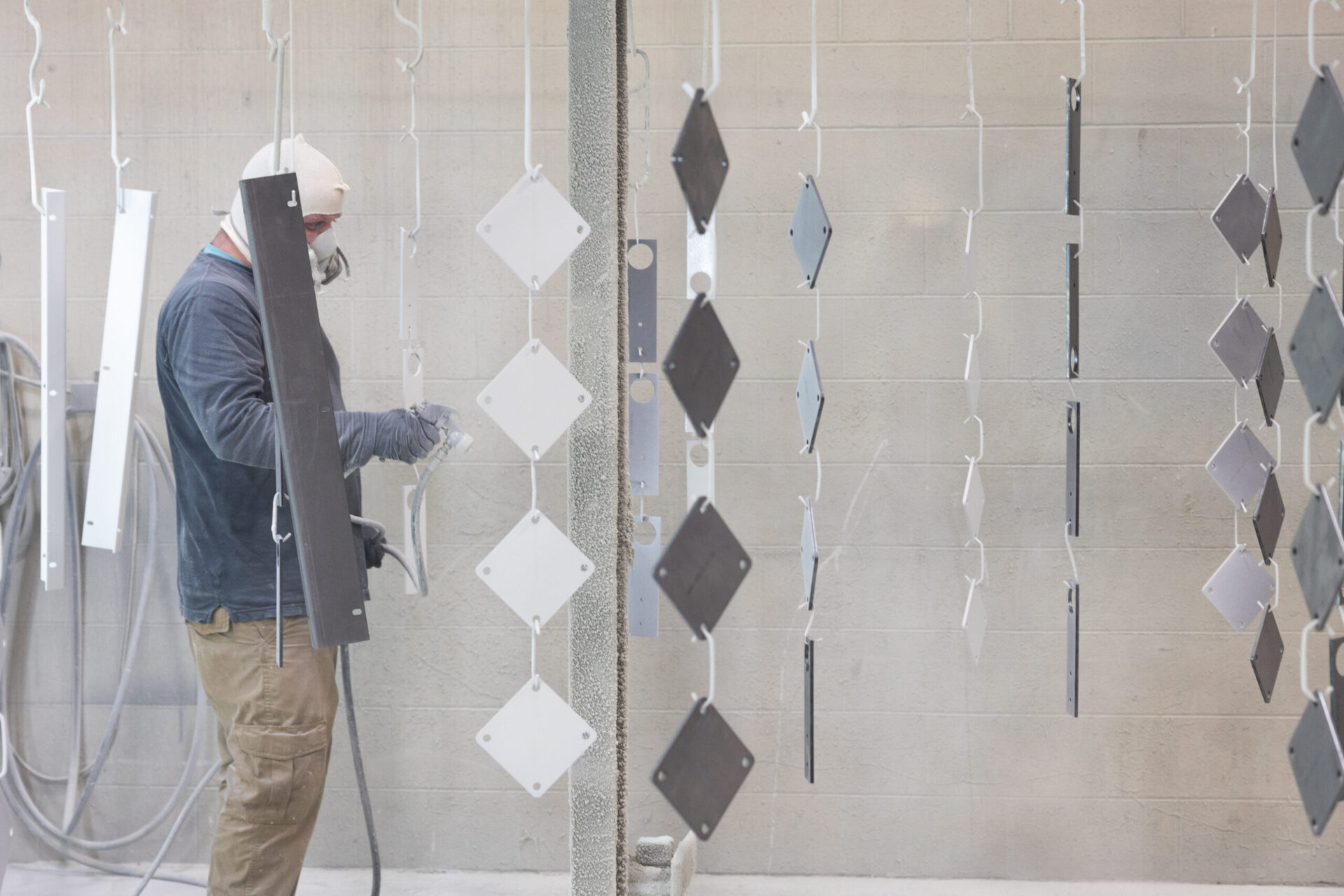
Powder coating lasts up to twice as long as paint, resists chips and UV better, and bonds directly to metal via heat. Learn when to choose each finish and how Paragon’s in-house line delivers both.
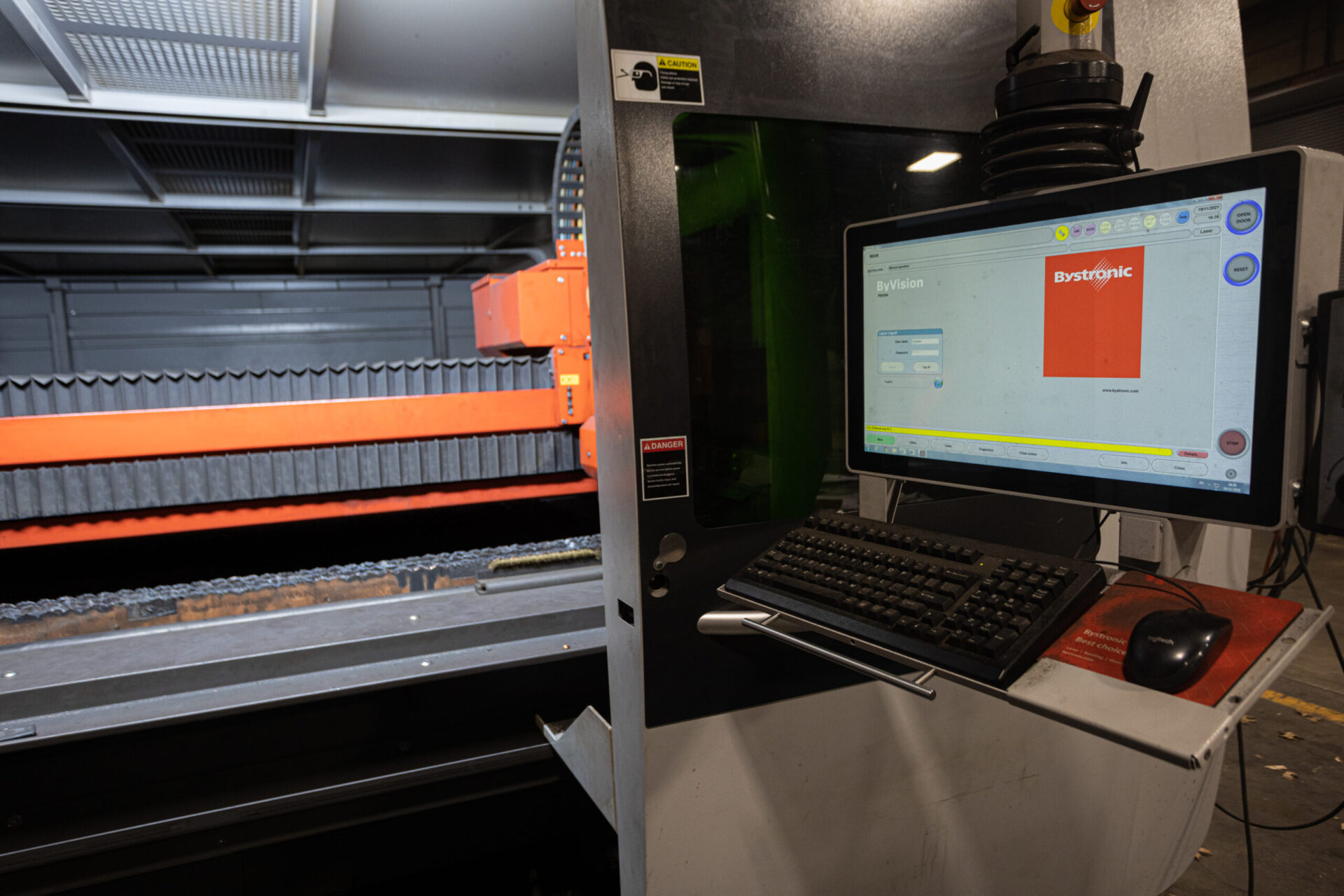
Fiber lasers cut carbon steel up to ~1 inch, stainless to ~1/2 inch, and aluminum to ~1 inch. Copper and brass are highly reflective and difficult. Full material and thickness guide.
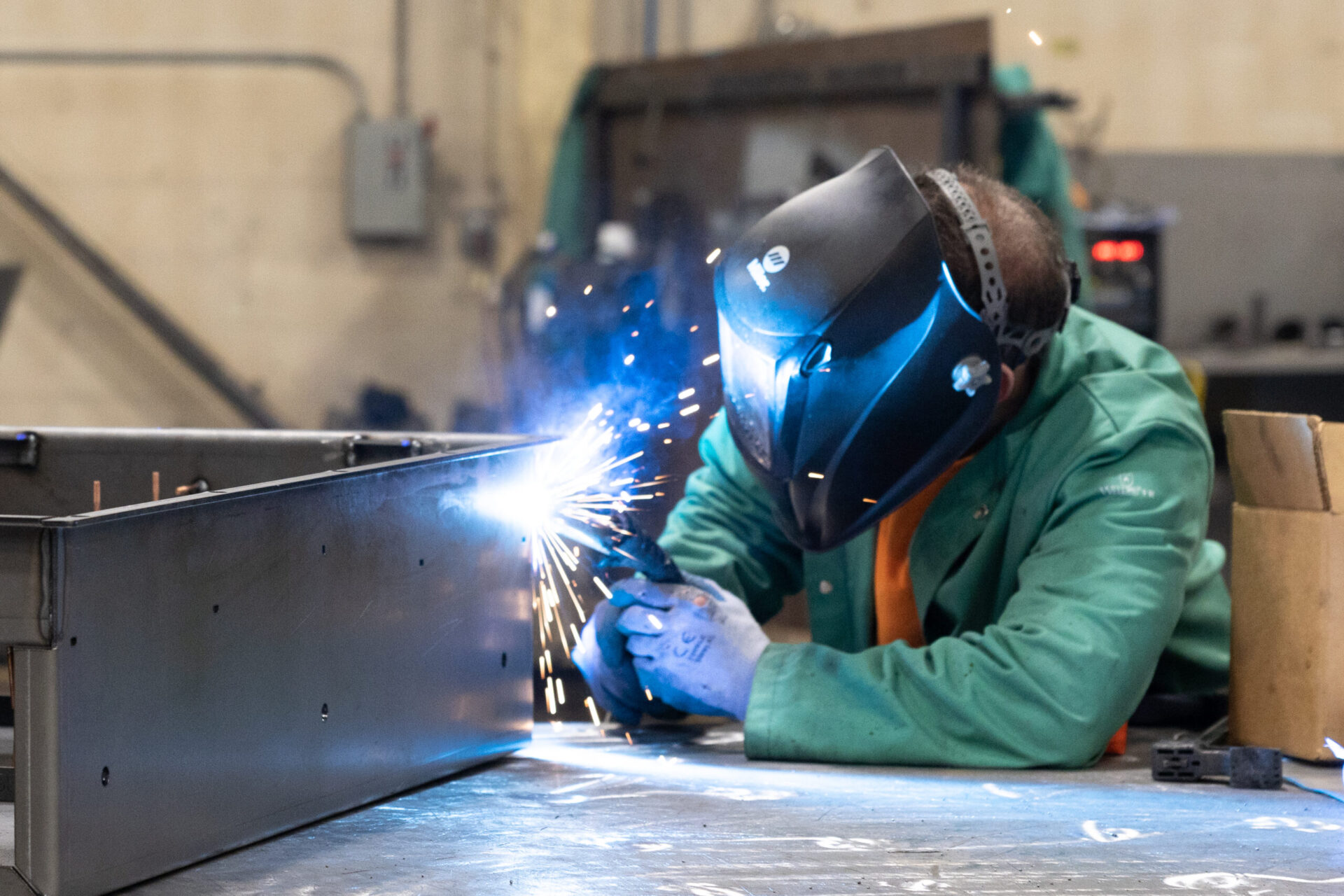
A complete metal fabrication RFQ includes drawings, material grade, quantity, tolerances, finish, and delivery date. A thorough package gets you a quote in 24 hours, not 3-5 days.
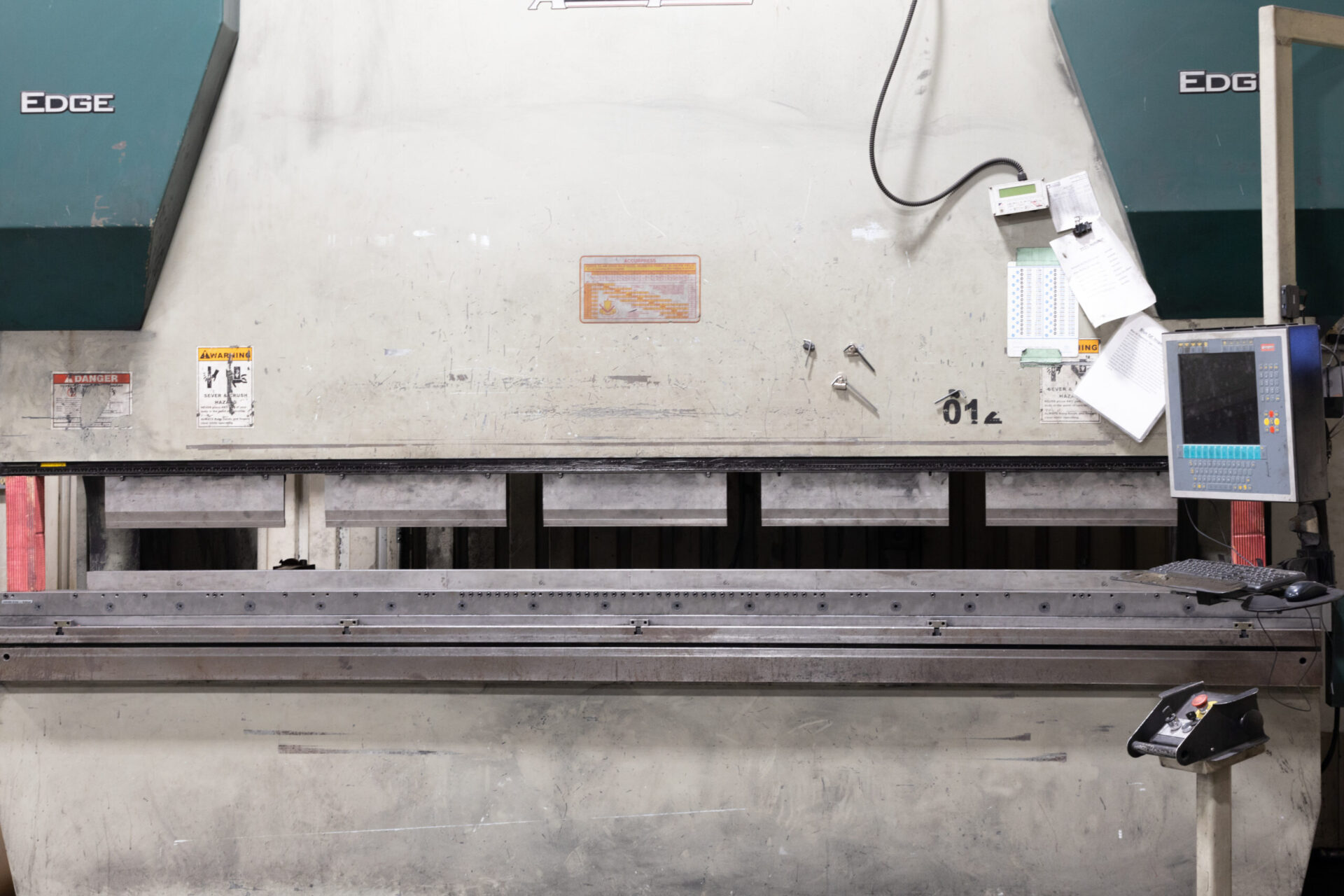
Press brake forming uses a punch and V-die to bend sheet metal to precise angles. Learn how it works, the three bend parameters, bending methods, and design tips.